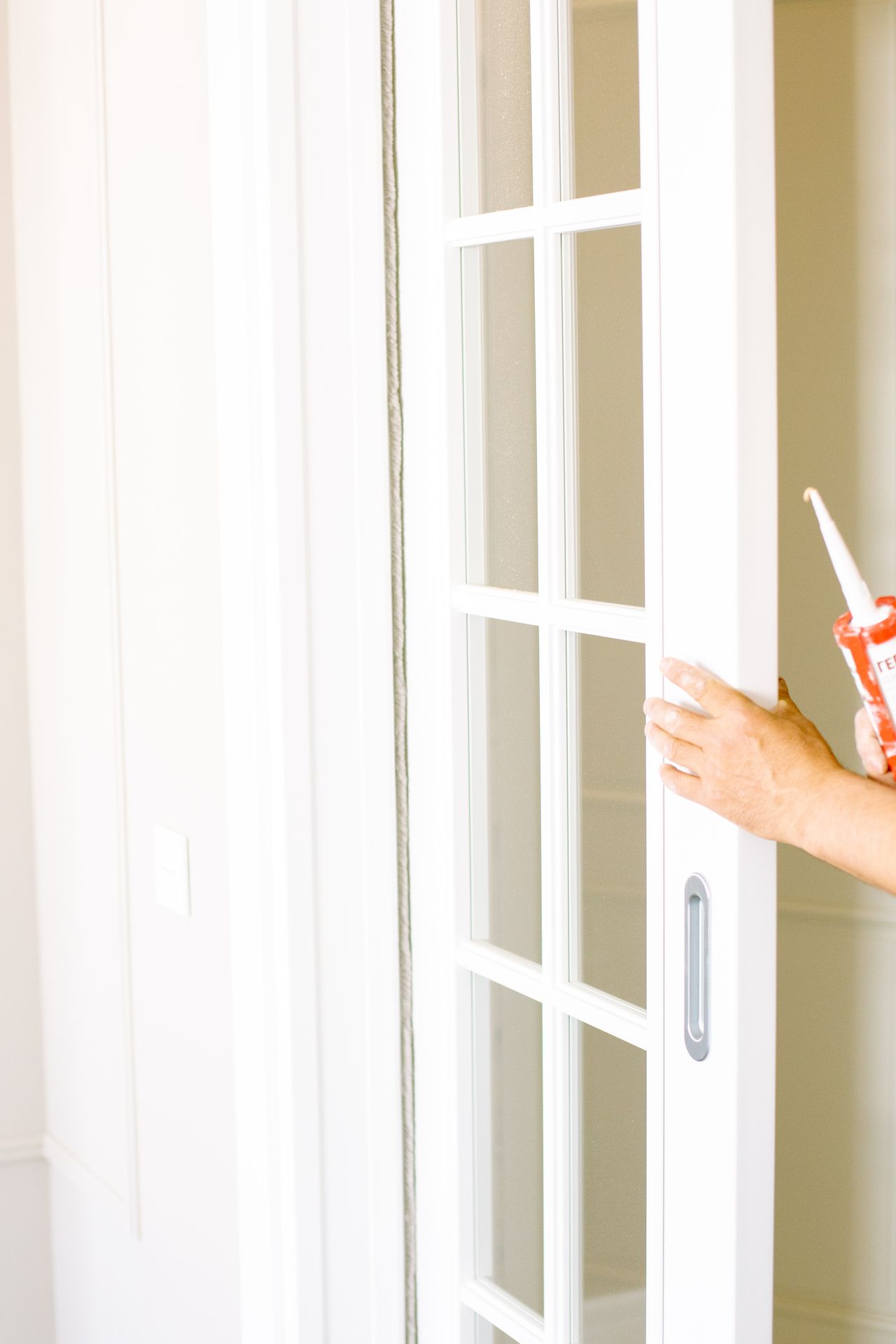
It happens slowly enough that most homeowners don't notice until a guest comments on it: the sliding door that used to glide with one finger now takes real effort, braced footing, or a running start.
It's Not the Door "Getting Old", It's a Specific Failure
A door doesn't get heavier from age alone. It gets heavier because the rollers underneath it are wearing down, flattening, seizing, or corroding, and providing less and less of the glide they were designed for. "Old" doors with good rollers still move easily; the weight you're feeling is friction, not age.
Why the Change Is Gradual
Roller wear happens incrementally with every open and close, which is exactly why it's easy to dismiss, there's no single moment where the door suddenly becomes hard to use. By the time it's noticeably heavy, the rollers are usually significantly past their functional life.
What Happens If You Keep Using It As-Is
- Continued force against worn rollers accelerates damage to the track they ride in
- The extra effort increases the odds of the door binding, jumping the track, or the glass cracking under stress if it catches
- What would be a straightforward roller swap becomes a track repair if left long enough
Why This Isn't Something to Self-Diagnose
Confirming it's the rollers (versus a track issue or frame settling) requires actually inspecting the hardware, pulling the panel and checking roller condition, not just judging by how heavy the door feels.
How Happy Sliding Doors Fixes It
We inspect the rollers and track, replace worn hardware with heavy-duty units built for Florida conditions, and get the door back to gliding the way it did when it was new, usually in a single visit, backed by a 12-month warranty.
Make it light again, not just less bad
Get a free diagnosis and find out exactly why your door has gotten heavier to open.