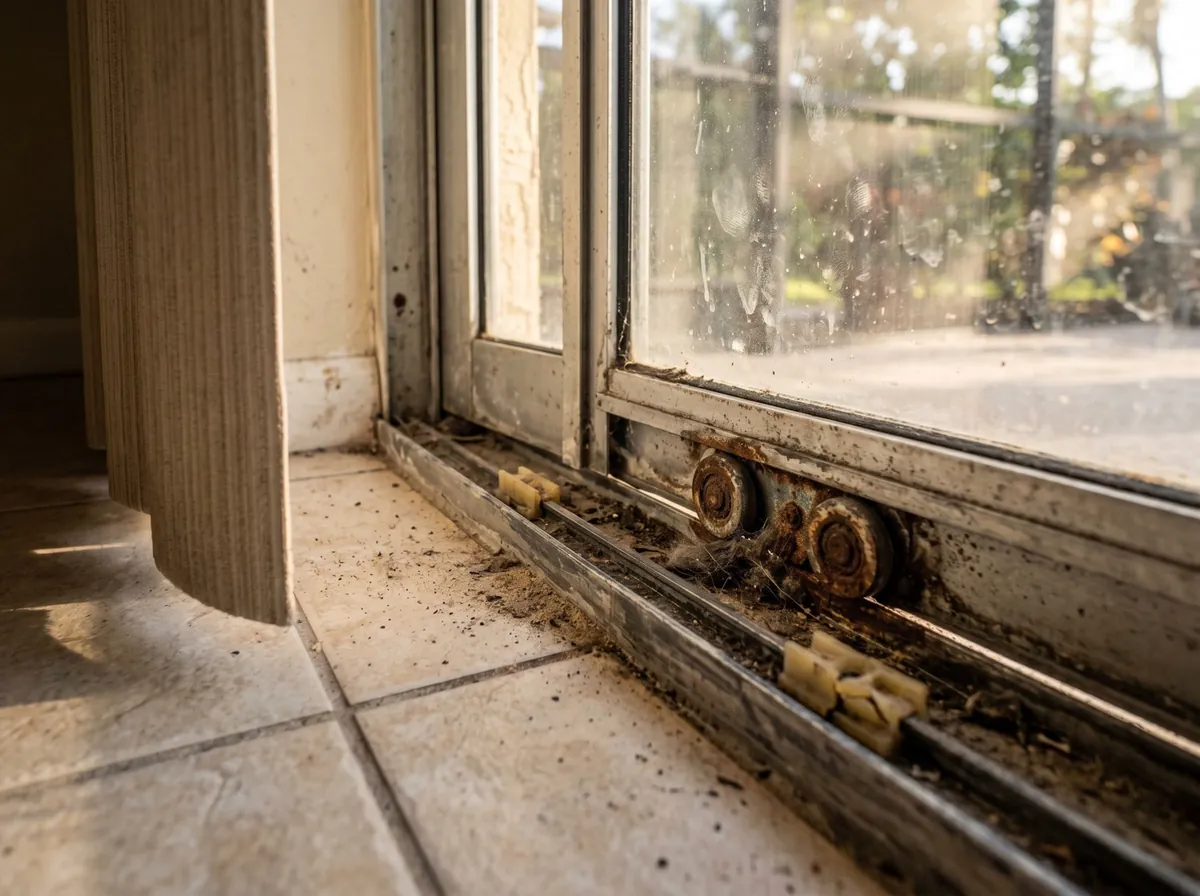
Sliding Door Hard to Open or Stuck
A door that needs a shoulder-check or two hands to open is one of the most common complaints we hear, and almost always traces back to one of a few specific causes.
See the fix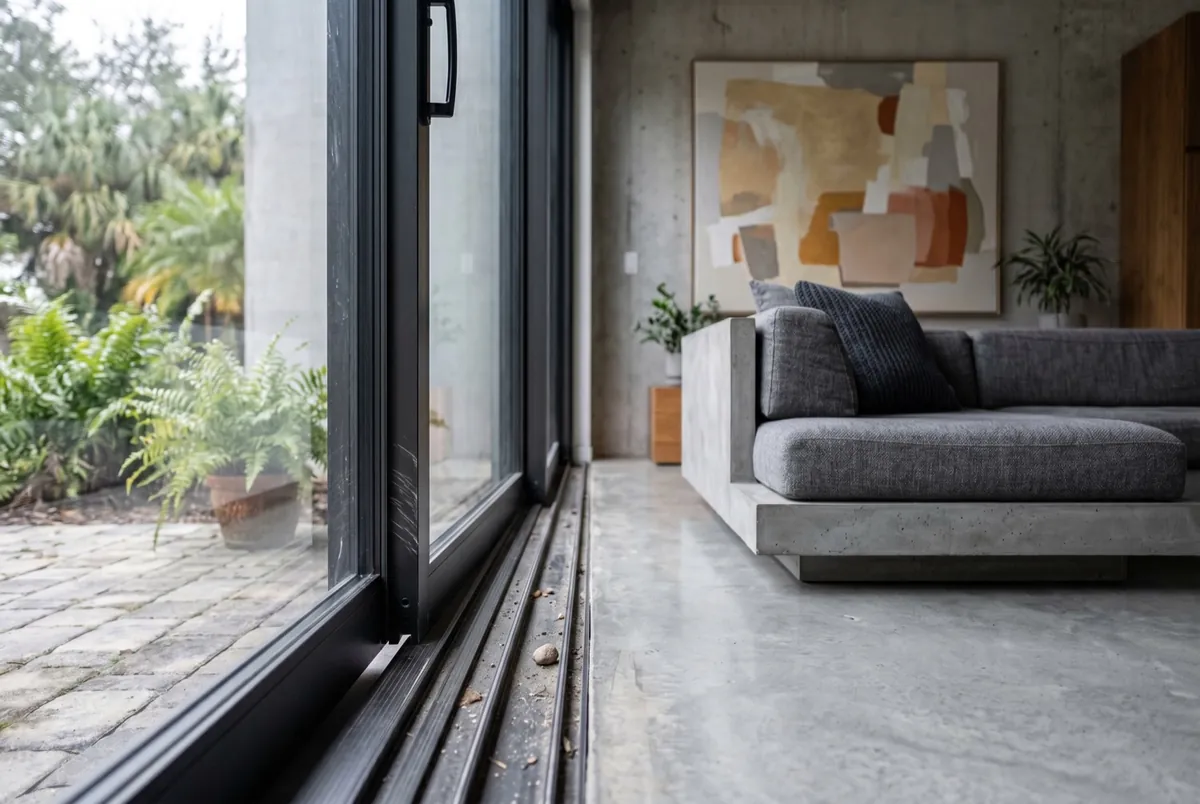
Sliding Door Won't Close
A door that stops short of fully closing, or closes but doesn't sit flush, usually points to alignment or an obstruction rather than a broken part.
See the fix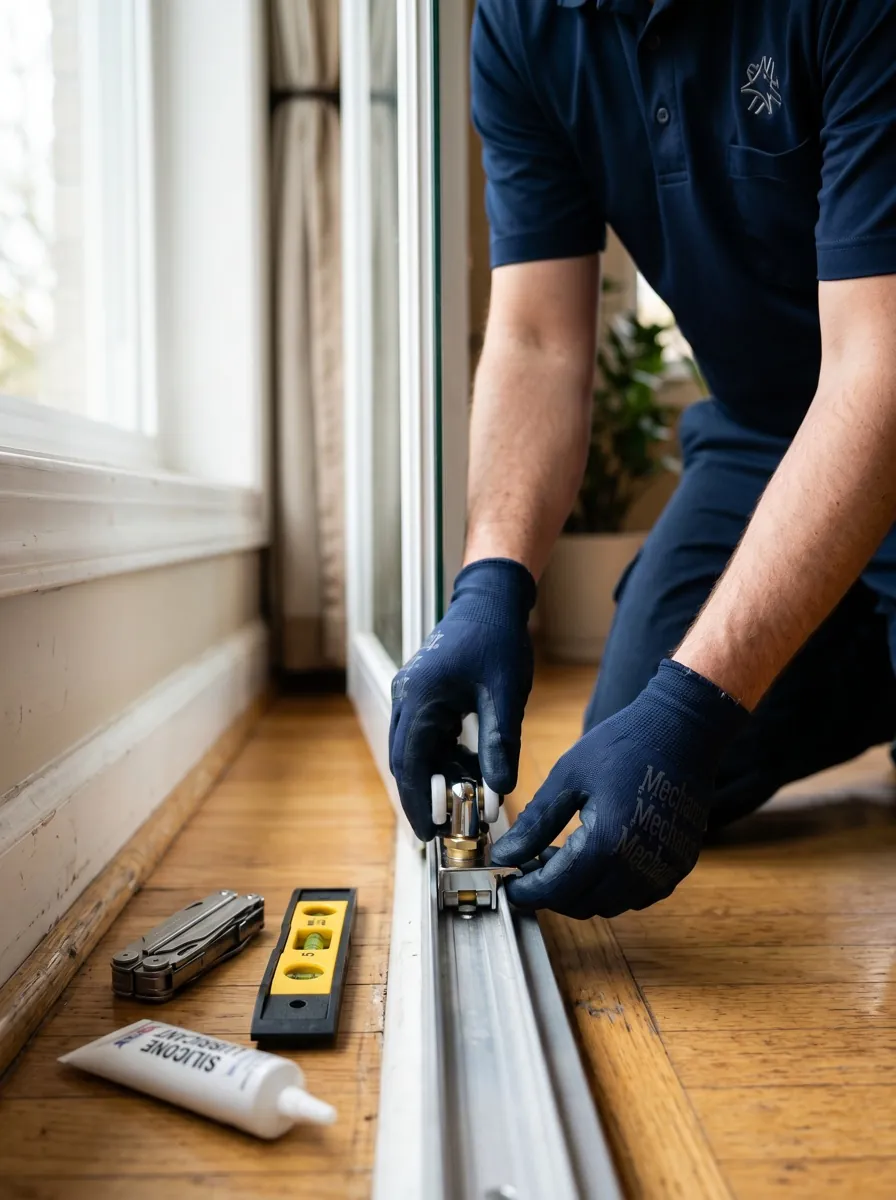
Sliding Door Won't Lock
A lock that needs to be jiggled, lifted, or forced to catch is a specific, diagnosable issue, and a security gap worth addressing quickly.
See the fix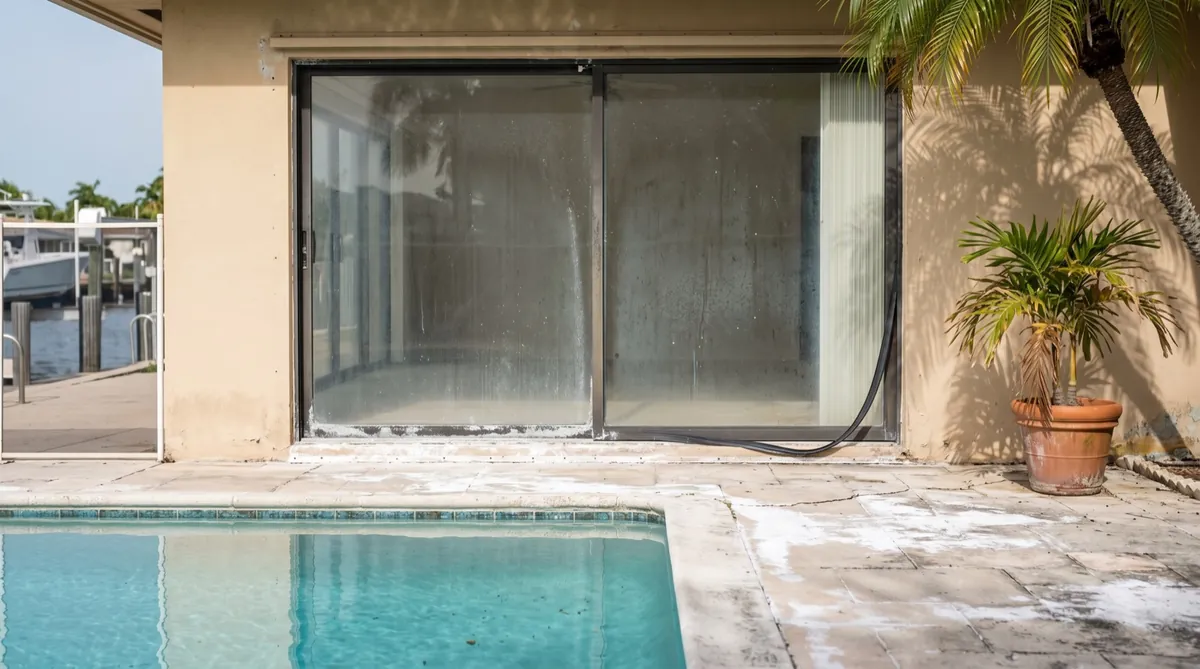
Sliding Door Grinding, Squeaking, or Scraping
New noise from a sliding door almost always means metal-on-metal contact that shouldn't be happening, and it's often the earliest, clearest warning sign before a door gets truly stuck.
See the fix
Sliding Door Off Track
A panel that's derailed even once has a specific cause, usually a worn roller or a track bent just enough to let it happen, and that cause will likely make it happen again if left unaddressed.
See the fix
Sliding Door Track Bent or Damaged
A visibly bent or damaged track prevents smooth, even movement no matter how good the rollers are, and it's a different repair than a roller issue.
See the fix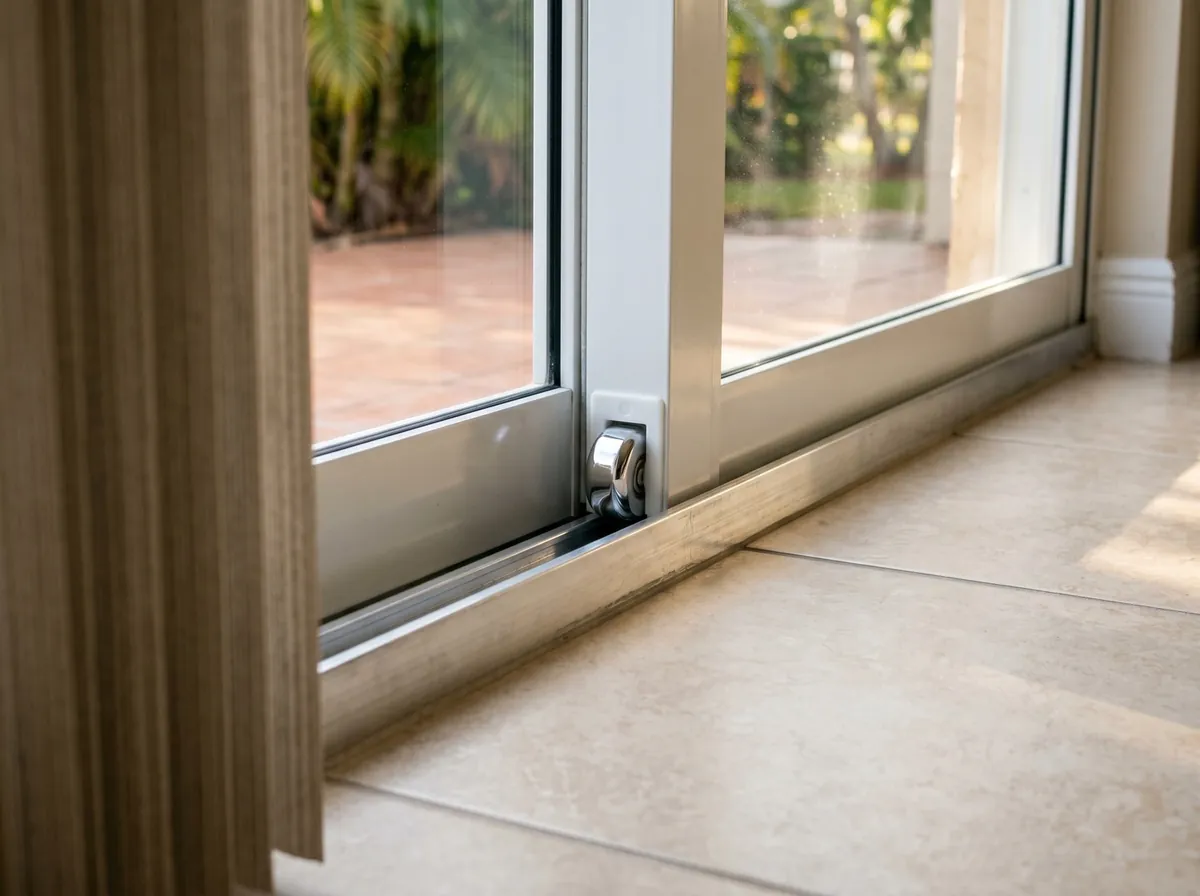
Sliding Door Rollers Worn Out
Rollers wear out from years of use, and the process accelerates near the coast where salt air corrodes steel components faster than inland conditions.
See the fix
Sliding Door Handle Broken or Loose
A cracked, loose, or wobbly handle isn't just cosmetic, it affects how reliably the lock engages, since the handle connects directly to the internal lock mechanism.
See the fix
Sliding Door Gap, Draft, or Air Leak
A draft or visible gap around a closed door usually means worn weatherstripping, a misaligned panel, or both, and it's costing you conditioned air either way.
See the fix
Sliding Door Leaking Water
Water on the floor near a sliding door after heavy rain is almost always a failed weather seal or bottom rail, and in Florida, worth fixing before the next storm.
See the fix
Sliding Door Shaking or Rattling
A door that shakes or rattles, whether from wind, a nearby door slamming, or just being touched, usually points to loose hardware or excess play in the track.
See the fix
Sliding Door Dragging on the Track
A door that drags or scrapes along the bottom of the track, rather than gliding just above it, usually means the roller height needs adjustment or the rollers themselves are worn down.
See the fix
Sliding Glass Door Cracked or Broken
A cracked or shattered glass panel isn't just unsightly, it's a safety hazard and a security gap that needs prompt attention.
See the fix
Sliding Door Fell Off Track
A door that's popped entirely off its track is a security gap and a fall hazard for the heavy glass panel.
See the fix
Sliding Screen Door Torn or Sagging
A torn screen lets in bugs and lets your AC out, and a sagging frame usually means worn rollers, not just old mesh.
See the fix
Foggy or Cloudy Glass Between the Panes
That permanent haze trapped between the glass layers is a sign of a failed seal, no amount of cleaning will fix it.
See the fix
Sliding Door Won't Stay Open
A door that drifts shut on its own, or won't hold at any position, is usually a leveling issue, not a broken latch.
See the fix
Sliding Door Sags at One Corner
A visible gap or drop at one corner, while the other side looks fine, almost always comes down to one worn roller.
See the fix
Sliding Door Frame Warped or Swollen
Florida's heat, humidity, and sun exposure are hard on frames, especially aluminum and vinyl that can warp over time.
See the fix
No Child Safety Lock on the Door
Standard sliding door locks are easy for curious toddlers to figure out, and easy for pets to nudge open.
See the fix
Bugs or Pests Getting In Around the Door
If you're seeing more bugs or pests near your sliding door, the entry point is almost always a specific, fixable gap.
See the fix
Sliding Door Slams or Bangs Shut
A door that bangs shut on its own isn't just loud, with kids or pets nearby it's a real safety concern.
See the fix
Sliding Door Won't Slide
There's a difference between a door that's merely hard to open and one that barely moves at all, even with real effort.
See the fix
Sliding Door Completely Stuck
A door that won't move at all in either direction has a specific jam point, and forcing it risks cracking the glass or frame.
See the fix
Sliding Door Squeaking
A sharp, high-pitched squeak is a different cause than a low grinding noise, and lubricant alone often doesn't last.
See the fix
Sliding Door Won't Open
A door that closes fine but won't open points to something specific blocking one side of the track.
See the fix
Sliding Door Track Damaged
Surface pitting, rust, and small dents are a different repair than a track that's structurally bent out of shape.
See the fix
Sliding Door Keeps Coming Off Track
A door that pops off its track repeatedly always has a root cause, re-hanging it each time just guarantees a repeat.
See the fix
Sliding Door Leaking Air
Feeling a draft or hearing a faint whistle around a closed door means the weatherstripping has failed at a specific point.
See the fix
Sliding Door Not Sealing Properly
A door can look fully closed and still let in humidity, noise, and pests without an obvious visible gap.
See the fix